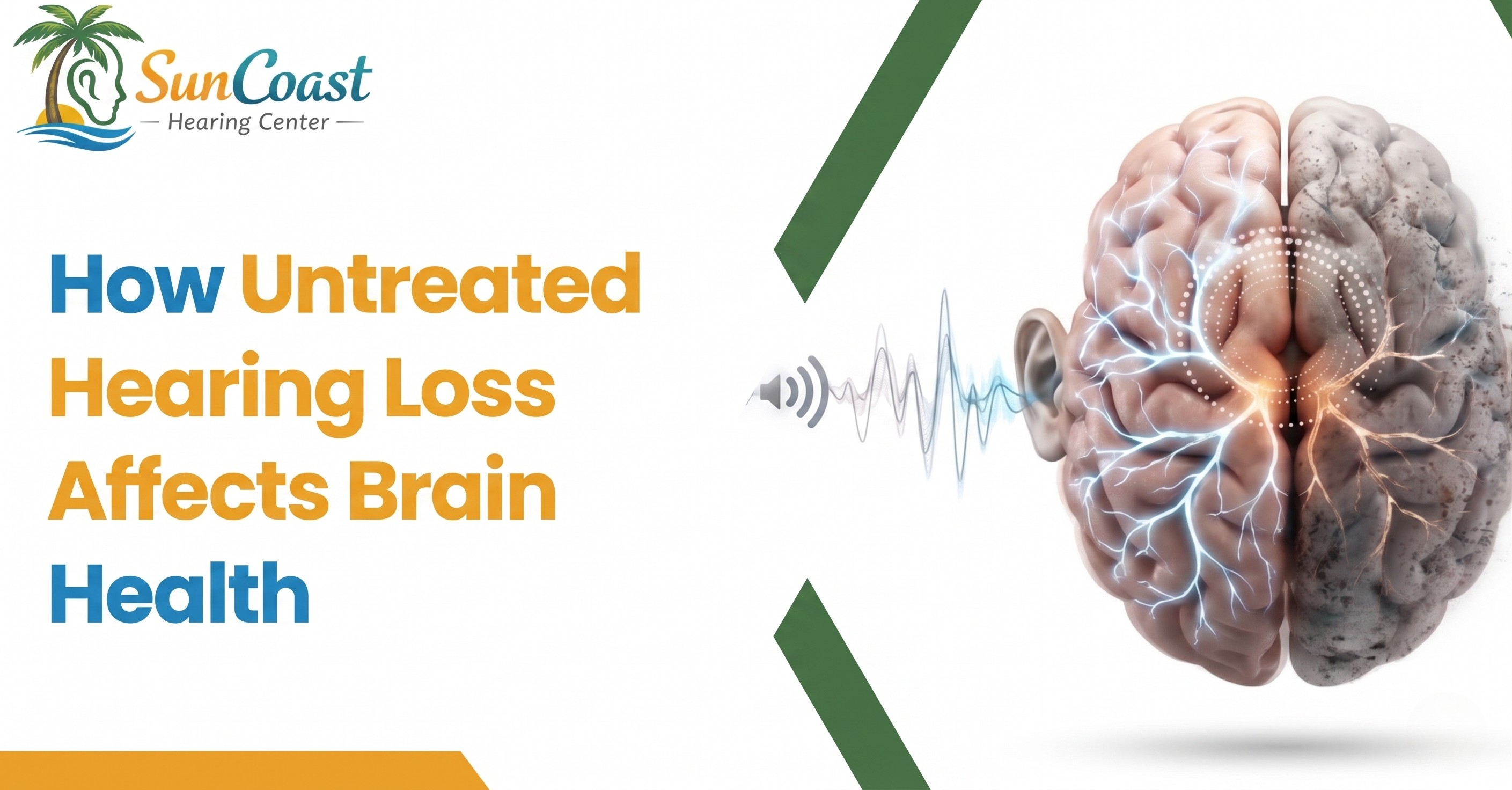
Hearing is not merely about ears, but it has a crucial role in how the brain interprets information and is related to the world. Untreated Hearing Loss in Adults may not only result in difficulties in communication. It may have serious effects on the cognitive ability, memory, and general health of the brain.
A lot of individuals put off seeking help, believing that hearing loss is a minor inconvenience. Research indicates, however, that when neglected, it can impose an additional load on the brain and have long-term effects. Learning how hearing impairment in adults influences the brain will enable you to take prompt action and safeguard both your hearing and mental health.
The Connection Between Hearing and Brain Function
The ears and the brain collaborate to decode sounds, speech, and surroundings. In the event of hearing loss in adults, this linkage gets weaker, making the brain work harder.
Increased Cognitive Load
The brain has to strain to process the incomplete sounds when hearing is impaired. This additional burden impairs the brain's ability to concentrate on other relevant activities.
- Poor concentration in discussions.
- After exerting efforts in listening, mental exhaustion.
- Loss of multitasking skills.
Reduced Sound Stimulation to the Brain
Sound signals help the brain to remain active and engaged. In Hearing Loss in Adults, these signals are reduced, resulting in less stimulation.
- Reduced auditory information to the brain.
- Reduction in brain activity.
- Difficulty in processing information.
Impact on Memory and Thinking Skills
It can influence memory and understanding when the brain is continually attempting to fill in the gaps.
- Failing to remember some of the discussion.
- Difficulty retaining information
- Slower response times
Social Isolation and Its Effect on the Brain
Social withdrawal is among the least recognized effects of Hearing Loss in Adults that has a direct impact on the health of the brain.
Avoiding Visits and Parties
When hearing gets harder, most people begin to shun social life so as to avoid being humiliated or frustrated.
- Skip family events
- Avoiding phone calls
- Less involvement in the discussions.
Emotional Stress and Anxiety
The inability to hear may cause emotional stress, which is harmful to brain activity.
- Increased stress levels
- Feelings of loneliness
- Reduced trust in communication.
Link Between Isolation and Cognitive Decline
The brain is active due to social involvement. Hearing Loss in Adults can hasten the process of cognitive decline by reducing interaction.
- Increased memory problems.
- Reduced mental stimulation
- Decrease in problem-solving.
Risk of Cognitive Decline and Dementia
Adults with untreated hearing loss have been closely associated with a higher risk of severe cognitive impairments.
- Increased risk of dementia
- Research indicates that people with hearing impairment that remains untreated have an increased likelihood of having dementia compared to people with normal hearing.
- Faster brain shrinkage
- Reduced cognitive reserve
- Heightened risk of neurological disorders.
Brain Structure
Auditory deprivation may lead to physical alterations in the brain in the long run.
- Reduction in hearing fields.
- Reduced neural connections
- Slower brain activity
Problems in Processing Speech
When hearing is impaired, the brain stops being efficient in processing speech.
- Difficulty with quick speech.
- Greater disorientation in noisy settings.
- Laggard replies in communication.
Importance of Early Intervention and Treatment
Early treatment of Hearing Loss in Adults can prevent damage to the brain and enhance quality of life in general.
Advantages of a Hearing Test
Having a hearing test in a reputable hearing clinic in my area may assist in detecting problems before they deteriorate.
- Early detection of hearing problems
- Better treatment outcomes
- Personalized care plans
Learning About Hearing Loss Treatment
Current methods of Hearing Loss in Adults treatment are aimed at restoring hearing clarity and relieving the burden on the brain.
- Advanced hearing aids
- Customized hearing solutions
- Improved communication ability
Professional Hearing Care Services' role
A hearing care center will make sure a certified audiologist is consulted, thus making the diagnosis and treatment effective.
- Availability of high-level audiology services.
- Professional mentoring and supervision.
- Hearing and brain health support (long-term).
Conclusion
Adult congenital hearing loss is not merely a hearing problem but a severe health problem that may affect the functioning of the brain, memory, and even emotional state. The effects may be far-reaching should increased cognitive load be ignored until it leads to a risk of dementia.
Being proactive, including arranging an evaluation of hearing and examining the possibilities of treatment, can make hearing and brain health much better. At Suncoast Hearing Center, clients are provided with high-quality care, innovative diagnostics, and individualized solutions to address hearing loss. Pay attention to the warning signs; early intervention can save your brain and allow you to live a healthier, more connected life.